
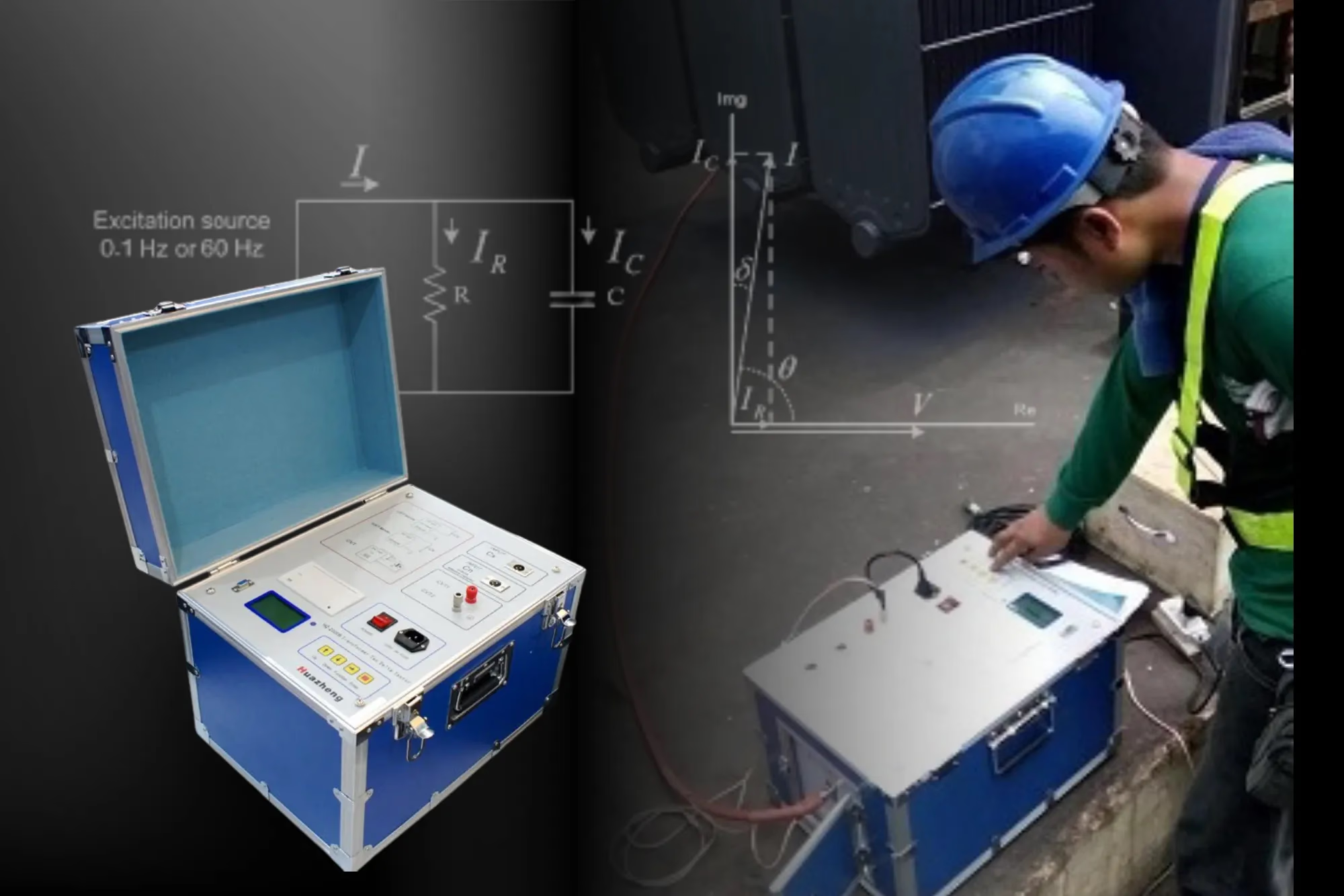
Tan-Delta and Capacitance Measurement

What is Tan Delta?
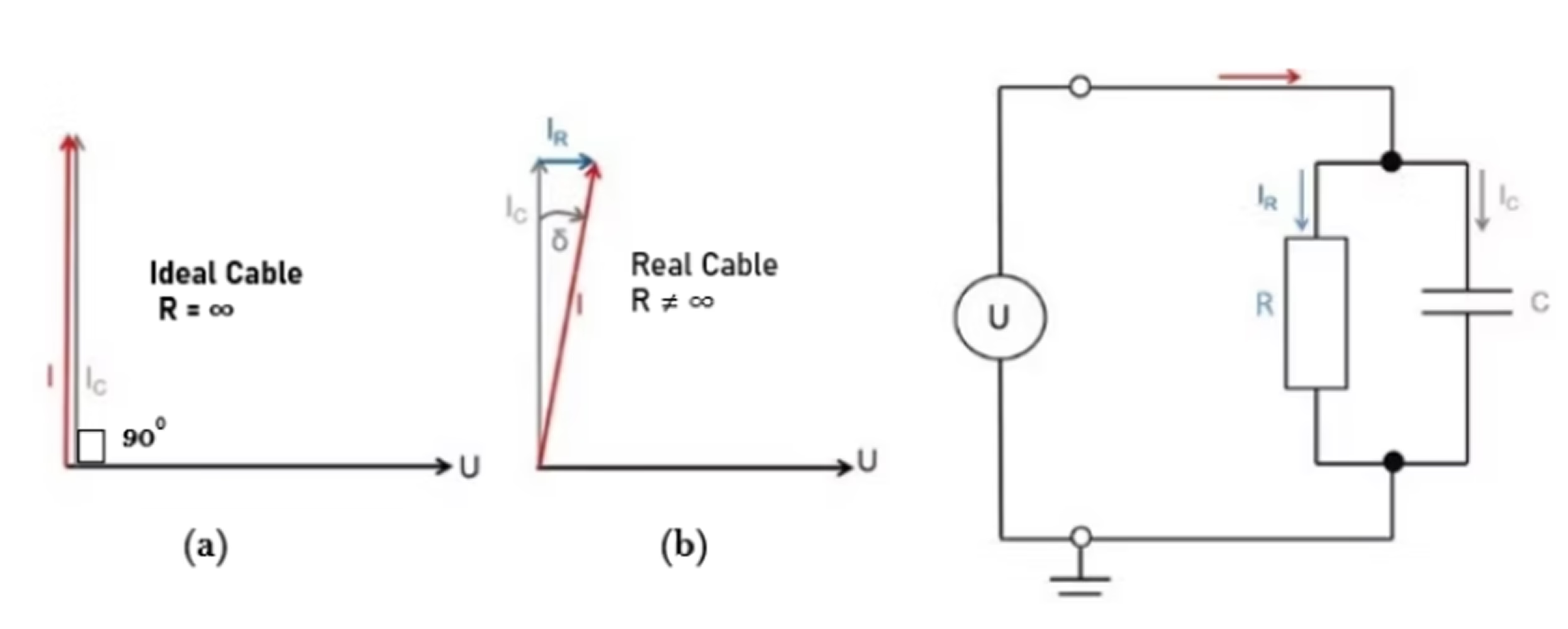
Fig.1.Current(I) v/s Voltage(U) Phase Diagram
Why Tan Delta Testing is done?
Early fault Detection
TD testing detects moisture content, any contamination, and insulation wear early, before any failure sets in.
Non-destructive testing
TD testing is generally done at lower frequencies and controlled coltages to prevent equipment damage.
Trend Analysis
Tan Delta testing gives deterioration patterns when testing the results at normal and elevated voltages.

Cost Savings
Tan Delta Testing aids in planning maintenance schedules and avoiding unplanned outages.
Extended asset life
TD testing ensures safe operating conditions for heavy-volt assets and extends the asset life.
Improved precision
TD testing picks up the slightest changes in insulation properties and gives improved protection and precision.
Process of Tan Delta Testing
How do we do Tan Delta Testing?
Why Choose Us?
- Expert Testing Team
- Advanced Diagnostic Tools
- International Standards Compliance
- Accurate and Reliable Results
- Actionable Maintenance Insights
- Proven Industry Trust
Frequently Asked Questions
What does a Tan Delta test reveal?
+
−
A Tan Delta test reflects the health of electrical insulation by comparing the leakage current against the ideal capacitive current.
How is Tan Delta testing different from Hipot testing?
+
−
Hipot testing provides a simple pass/fail result to verify whether insulation can withstand a high voltage. In contrast, Tan Delta testing evaluates insulation performance in detail, including aging, deterioration, and moisture presence.
How is Tan Delta measured?
+
−
Tan Delta is measured by applying a controlled voltage to the insulation using dedicated test instruments and recording the dissipation factor, also known as the loss angle.
How are Tan Delta results interpreted?
+
−
Stable Tan Delta readings across different test voltages indicate sound insulation. Increasing values with rising voltage suggest insulation deterioration, moisture ingress, or contamination.