
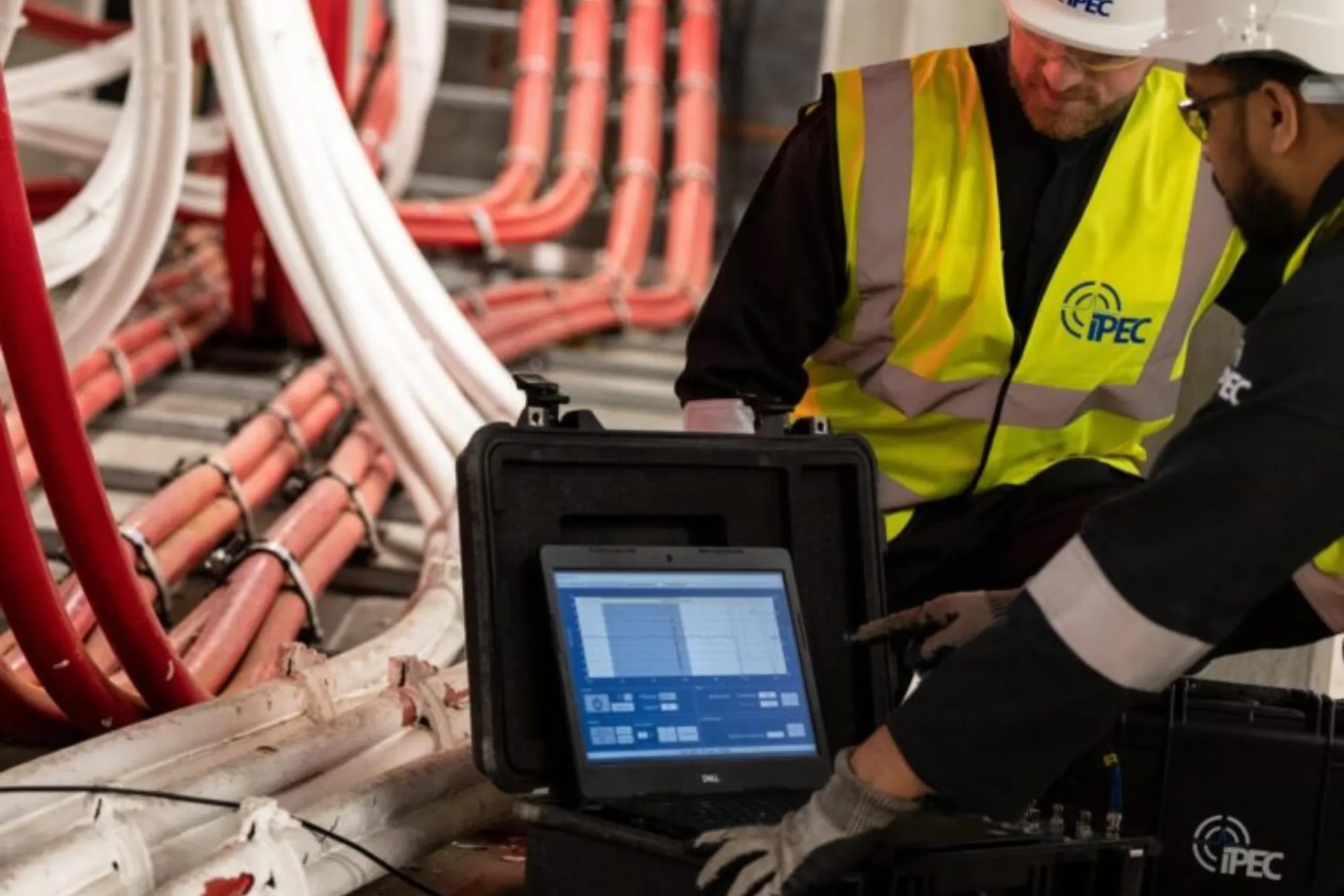
Offline Partial Discharge (PD) Measurement in UAE
Ensure Electrical Asset Reliability with Offline PD Testing

What is Offline PD Testing?
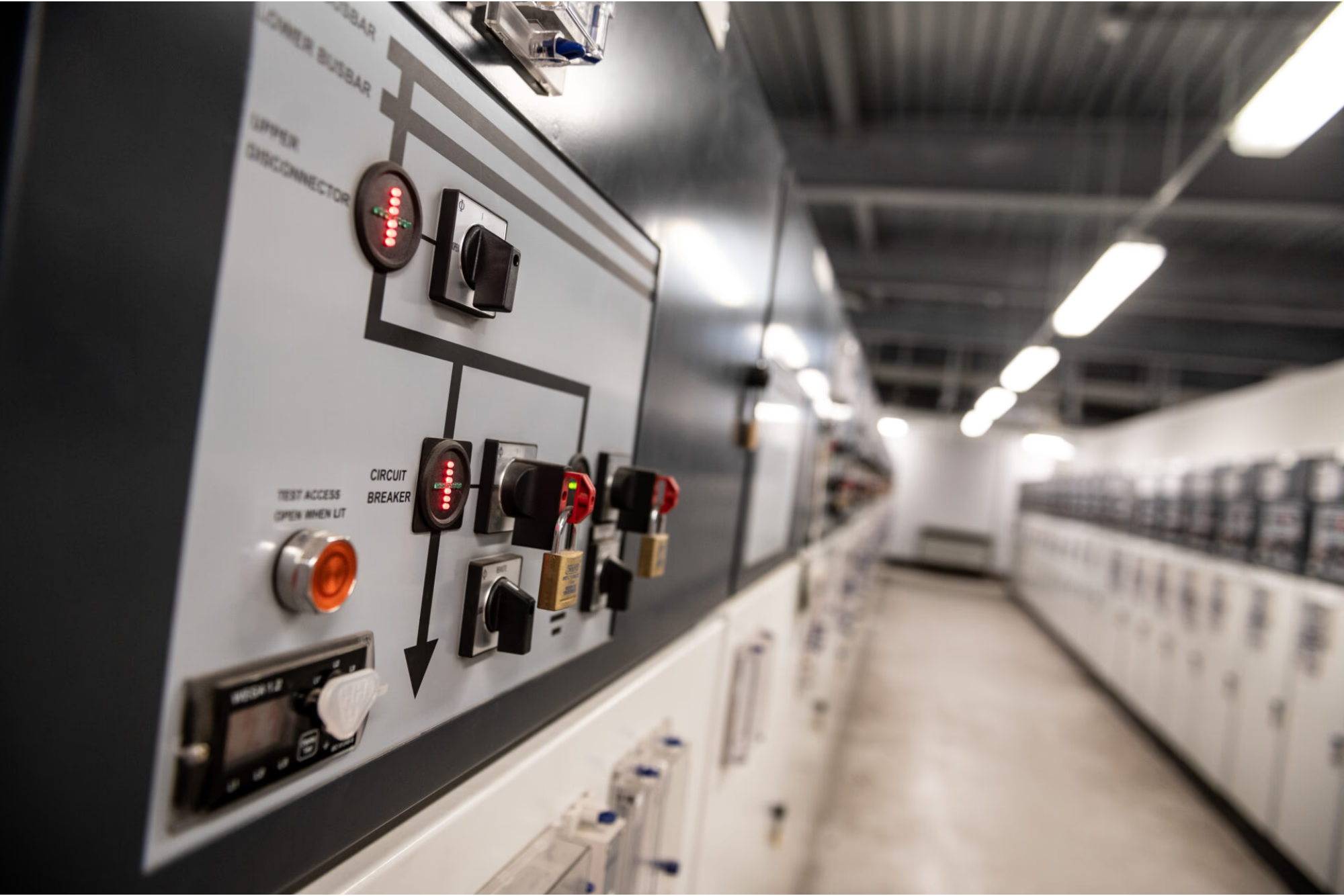
Steps in Offline PD Measurement
Benifits:

Noise-Free Results
Eliminates interference for more accurate measurement

Early Fault Detection
Identifies insulation defects before they cause breakdowns
Improved Safety
Reduces risk of catastrophic equipment failure

Supports Maintenance Planning
Informs repair, refurbishment, or replacement strategies

Compliance Ready
Aligns with international standards for electrical asset testing
Why Choose Us?
- Expert CBM engineers with extensive PD diagnostics experience
- IPEC's advanced offline PD testing solutions for superior accuracy
- Support for multiple assets such as cables, switchgear, transformers, and rotating machines
- Certified and trusted partner in electrical condition monitoring services
- Quick turnaround with preliminary onsite results with full reports delivered post-test
- Flexible onsite service delivery across industrial, utility, and infrastructure sectors
- End-to-end project support from shutdown planning, testing, and detailed reporting
Get Started Today
Frequently Asked Questions
What is offline PD testing?
+
−
Offline Partial Discharge (PD) testing is performed when electrical equipment is de-energized and connected to a controlled power source. It helps detect insulation defects and weak points before the equipment is put back into service.
How is partial discharge measured?
+
−
Partial discharge is measured using specialized sensors and detectors that capture electrical pulses or acoustic signals generated by insulation defects. The readings are quantified in picoCoulombs (pC) to indicate discharge magnitude.
What does the PD test result indicate?
+
−
The PD test result reveals the presence, severity, and location of insulation weaknesses. High or localized PD activity often indicates potential faults that could lead to equipment failure if not addressed.
What is the acceptable value for partial discharge?
+
−
Acceptable PD values vary depending on equipment type and standards, but generally, values below 10 pC to 100 pC are considered safe. Higher levels may require closer monitoring or corrective maintenance.