
Steam Trap Testing
Steam Trap Testing
Steam Trap Inspection Procedure
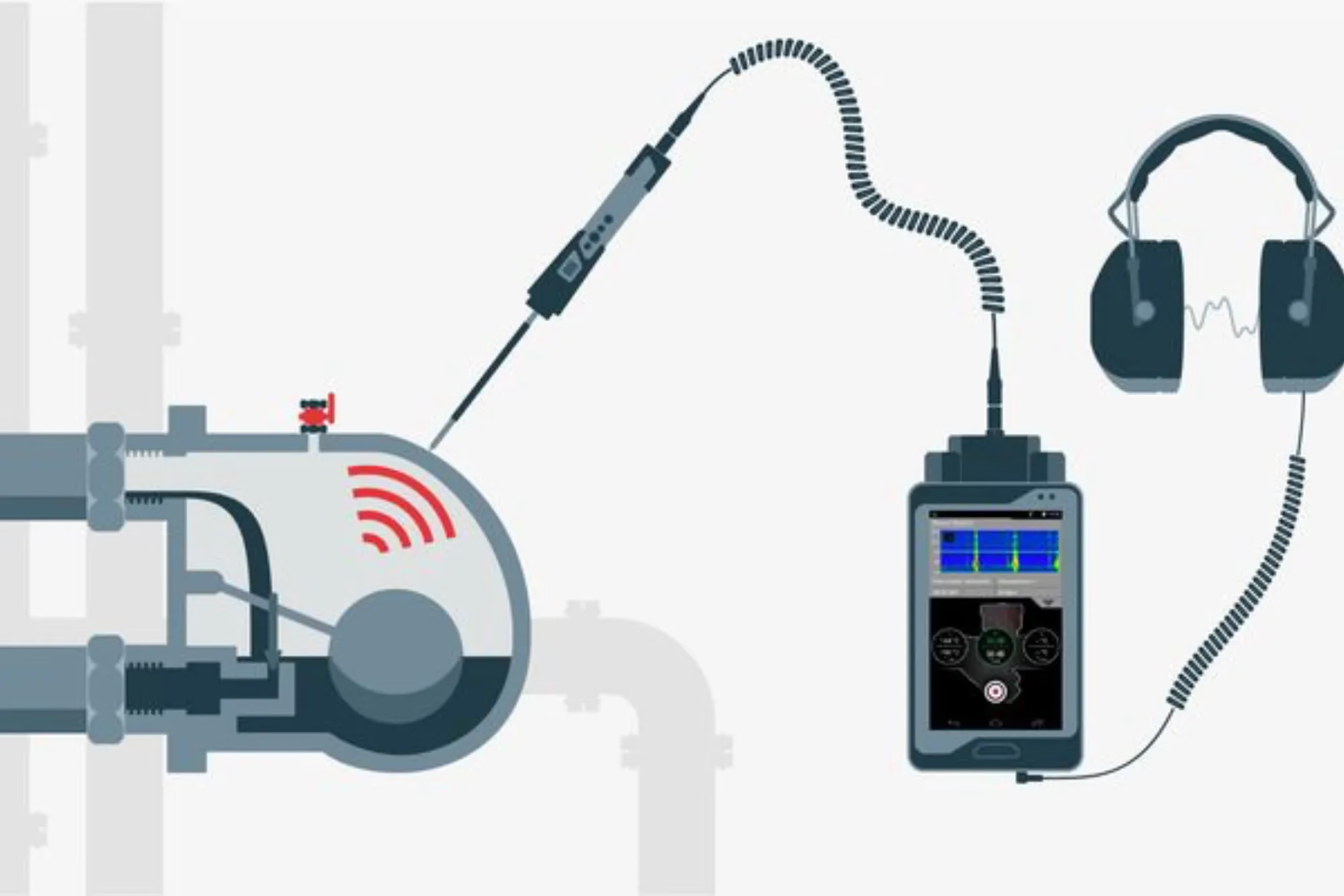
How is Ultrasound testing in Steam Traps performed?
Device Setup
Handheld ultrasonic detectors with a contact probe or clamp-on sensor are used. This is calibrated and set to the appropriate frequency range for steam systems.
Contact with Trap
The probe is placed directly on the body or piping near the steam trap. The device listens to the sound waves generated by the trap operation.
Listening and Interpreting
Operators hear real-time sounds through headphones and view signal patterns on the device screen.
- A blown trap shows continuous flow (high-frequency hissing).
- A blocked trap shows little to no sound differences.
- A leaking trap has inconsistent noise with minor flow, even when closed.
Comparison and Analysis
The sound pattern is compared to baseline readings to evaluate the performance. Technicians combine this with the temperature or pressure readings for precise assessment.
SONOTEC's SteamExpert
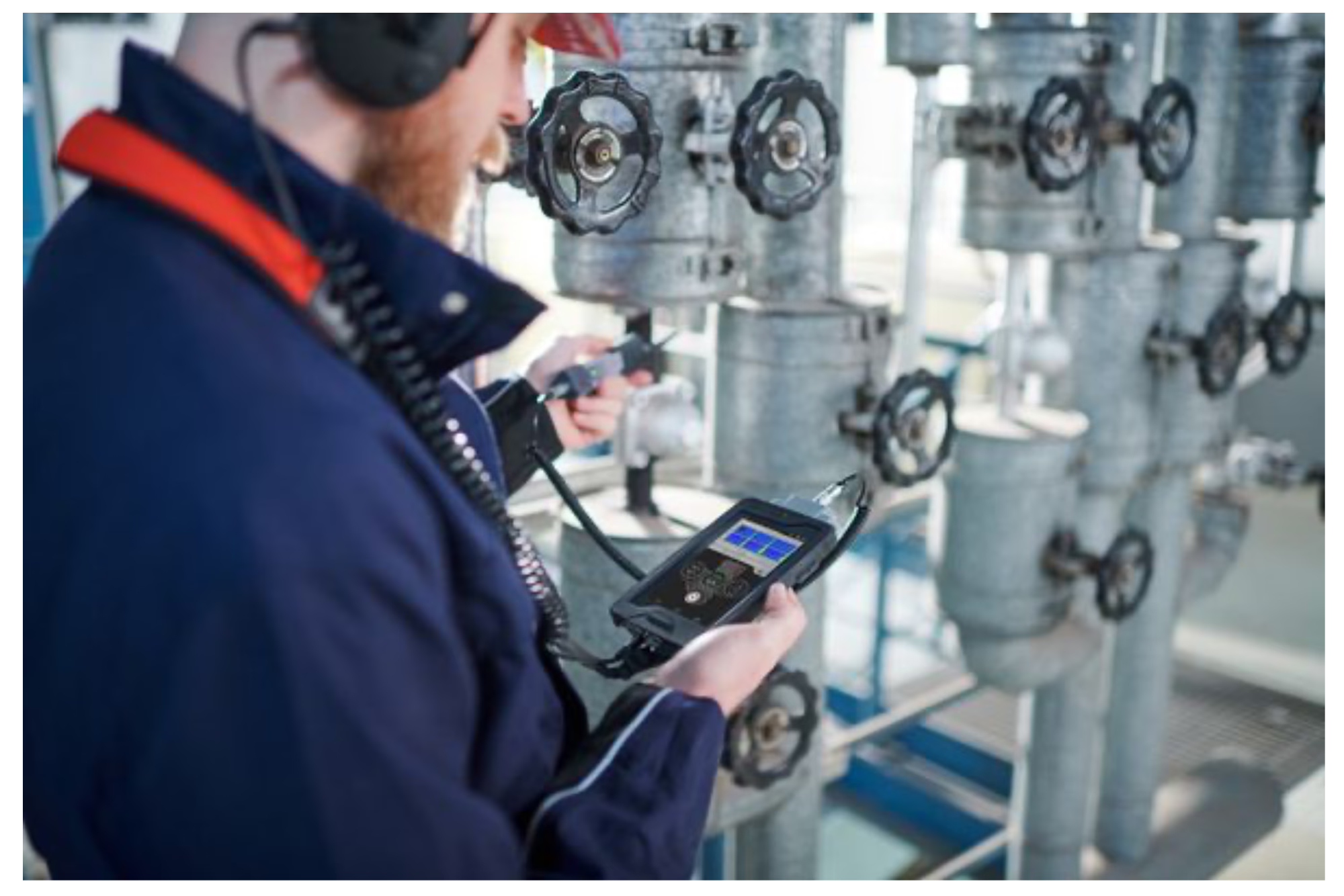
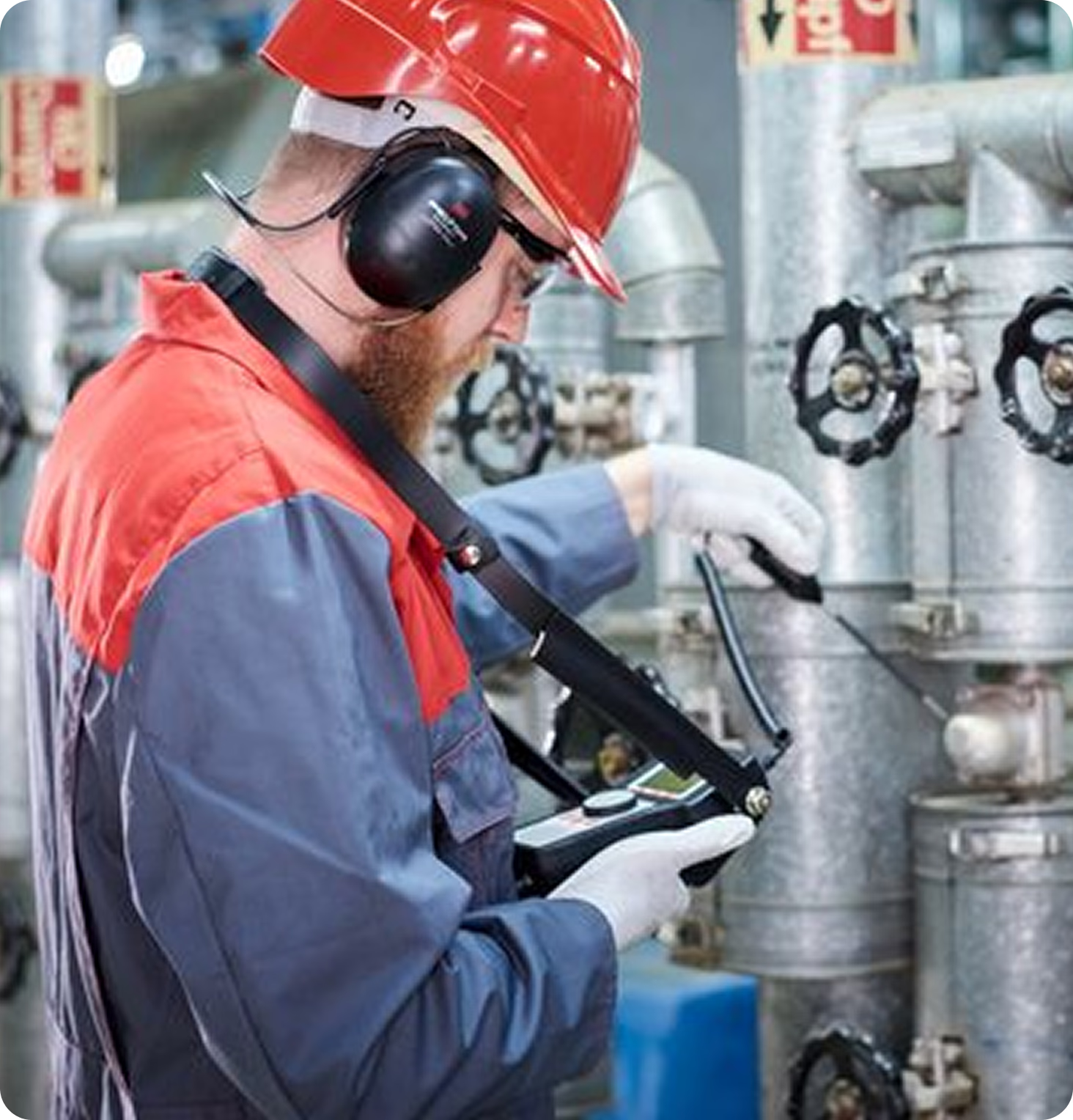
Expert Ultrasonic steam trap testing with assetconditionmonitoring.com
Frequently Asked Questions
How do you test steam traps?
+
−
Steam traps are tested using a combination of tools like ultrasonic detectors, temperature sensors, and sometimes pressure gauges to check for efficient operation, leakage, or blockage. Ultrasound tools help detect high-frequency sounds indicating trap activity or failure. Inlet and outlet temperature difference lines are also measured to confirm trap performance.
How do you know if a steam trap is bad?
+
−
A steam trap is considered bad if it leaks live steam, fails to open, or stays stuck open or closed. Unusual temperature readings, continuous noise (indicating leakage), or zero discharge can signal a problem. Visual signs of corrosion, vibration, or water hammer also suggest failures.
What is the purpose of a steam trap testing station?
+
−
A testing station is set up to monitor and evaluate the performance of steam traps under controlled or real conditions. It helps detect faulty traps without disrupting the system, improving maintenance planning. The station allows repeated and reliable testing of multiple trap types and models.
What tool is used to test steam traps?
+
−
The most common tools include ultrasonic testers like SONAPHONE, temperature guns, and steam trap analyzers. These devices detect sound waves, temperature differences, and flow behavior to assess trap condition. Some tools combine sound and heat sensors for more precise diagnosis. Advanced systems also log data for reporting and maintenance tracking.